Keep Progressing
Advanced, Rescue and Professional Training
Once you are certified, the next courses are about confidence, better decision making and more comfort in the water. Some divers want more depth and navigation practice, some want rescue skills, and some are thinking about the professional path.
Which Next Step Fits You?
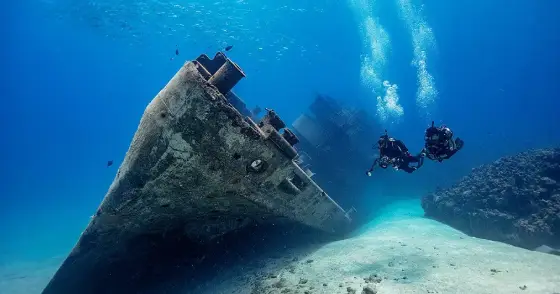
Advanced Open Water is the natural next course after Open Water if you want more experience with an instructor and a broader range of dives.
Emergency First Response and Rescue Diver are the safety-focused step. They are less about going deeper and more about awareness, prevention and helping yourself or another diver when something is not right.
Divemaster is the professional-level path. It is for divers who want to take the sport seriously and spend real time learning how dive operations work.
Build Experience
Advanced Open Water helps certified divers try new dive styles with an instructor nearby.
Improve Safety Skills
EFR and Rescue training focus on response, awareness and staying calm when something changes.
Go Professional
Divemaster training is the first professional step and requires more time, commitment and logged dives.
Before You Choose
Current Certification
Tell the shop your current certification level before booking. Advanced, Rescue and Divemaster training each have different prerequisites.
Recent Experience
If you have not dived recently, ask whether a refresher makes sense before starting the next course.
Digital Materials
PADI digital materials and certification processing may be needed for applicable courses. Confirm which course requires them.
Time in Playa
Some courses fit into a short trip. Others, especially Divemaster, need a longer plan and more conversation before booking.
Private Training
Private instructor options may be available by request if you want more focused training or need help planning around your schedule.
Choose Your Course
Advanced and Rescue Options
Build confidence after Open Water and expand your diving experience with instructor-led adventure dives, including deeper diving and new skills.
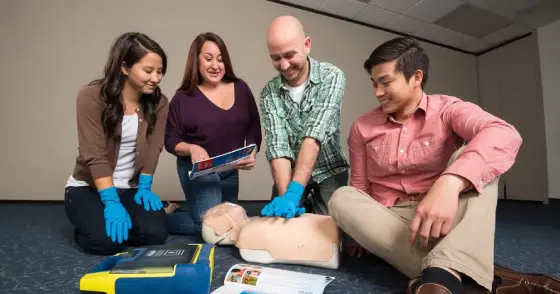
Open to divers and non-divers, the Emergency First Response training focuses on building confidence in lay rescuers and increasing their willingness to respond when faced with a medical emergency. Course participants learn simple to follow steps for emergency care and practice applying skills in a non-stressful learning environment.
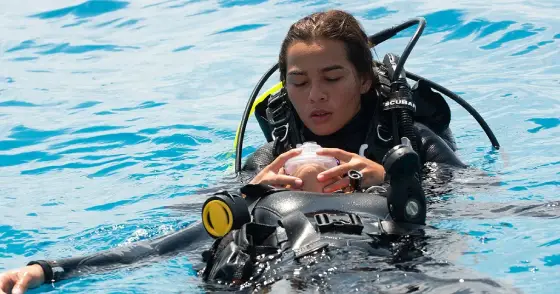
Rescue Diver training helps you look beyond yourself, recognize problems earlier and become a more aware, prepared dive buddy.
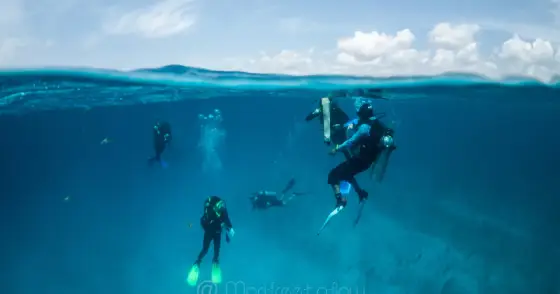
The first professional step in diving, built around expanding dive knowledge, improving skills and learning how dive operations work.
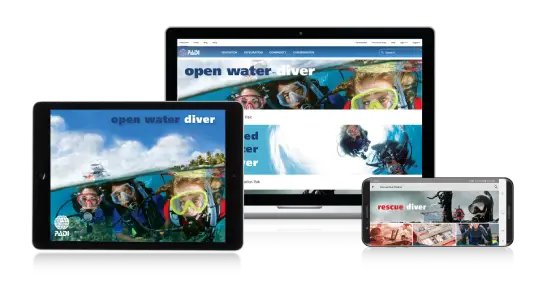
PADI digital course materials and certification processing used for applicable training programs. Confirm which course requires it before booking.
Advanced Training FAQ
It is a good next step if you want more guided experience, especially with navigation, deeper dives and different dive conditions.
Rescue training normally requires current first aid and CPR training. If you do not have it, ask about taking Emergency First Response with the course.
No. Many recreational divers take Rescue because it makes them more aware, more prepared and better dive buddies.
Ask before booking if you are serious about the professional path. Divemaster is not a quick vacation add-on; it needs planning, dive experience and time.